
Our Products
Commodities are products produced on a large scale and that function as raw material, have uniform quality and characteristics.
In other words, they do not differ from place to place, nor from producer to producer. Examples are agricultural (wheat, corn, sugar), oil and minerals like iron ore, oil, natural gas, metals (gold, silver aluminum) .
The prices of commodities are determined by the laws of supply and demand in the international market.
We Have One Goal
To Provide The Highest Quality
Brazilian Products and Services.
Our Mission
At SIEPX, our top priority is making sure that both we and our partners are successful. We’re on a mission to give our customers top-notch service that’s responsible, high-quality, and sets us apart in the global market. By being fast, efficient, and cost-effective, we’re able to help our customers compete and succeed. We truly believe that this is the key to making sure everyone wins.
Our Values
- Humility,
- Transparency,
- Respect for the Environment,
- Quality of Service,
- Humanization,
- Profitability and Productivity,
- Systemic Vision and Integrated Management,
- Autonomy,
- Honesty,
- Partnership,
- Entrepreneurial Capacity and,
- Social Responsibility.
Our Vision
At SIEPX, we’re constantly in tune with the ever-changing international market. We’re not just following the trends, we’re leading the charge. Our team is made up of talented and innovative individuals who are always pushing the boundaries, seeking out new opportunities, and staying ahead of the curve. We know that success comes from being proactive, so we’re always preparing ourselves for whatever challenges come our way, projecting an image of reliability and strength.
Our vision is to be the company of choice for people who want to be a part of something great. We’re a company that attracts the best and brightest, who are committed to personal and professional growth. We provide a working environment that’s both productive and enjoyable, where everyone feels like they’re a part of the team. We don’t just work with partners, we seek out partners who share our goals and aspirations, who can help us build the future we envision.
We’re not just a company, we’re a community of individuals who are passionate about what we do. We believe in taking risks, being bold, and always striving for excellence. With SIEPX, the future is bright, and we’re excited to be at the forefront of it all. Join us and see what we can achieve together.
Grown With Love by the Producers
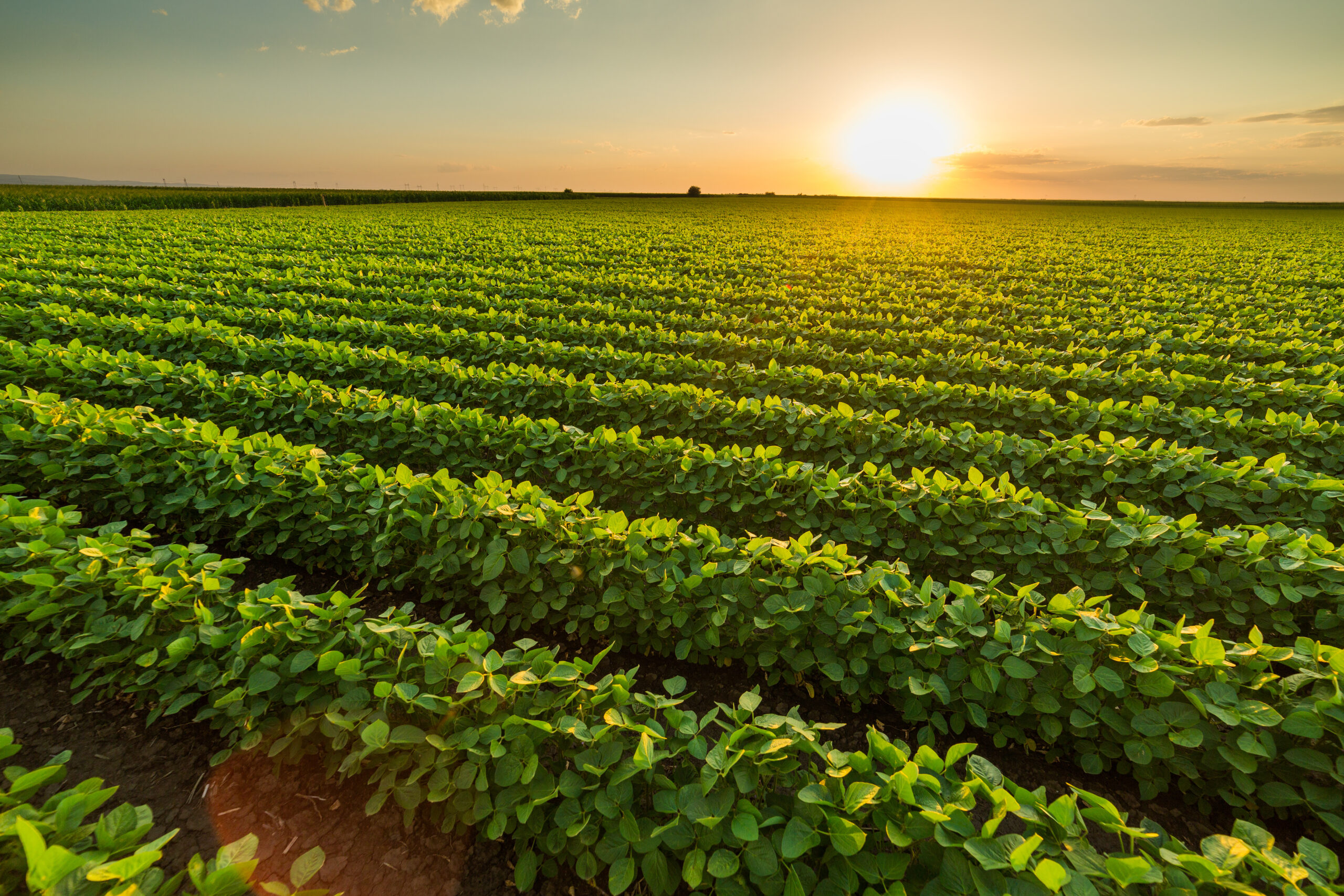
Brazil is a place where you can find all kinds of cool stuff grown by really passionate people. From yummy things like coffee, soybeans, and sugar, to shiny things like gold and iron ore. And the best part is that all of these things are grown with love by small family-owned farms who’ve been doing it for generations. These farmers know their stuff and they take pride in producing top-quality products that are good for the environment too. So when you buy Brazilian stuff, you know you’re getting something special that’s made with care and a whole lotta love.
Alberto P. Drapier
CEO & Founder
Our Products
Animal Protein
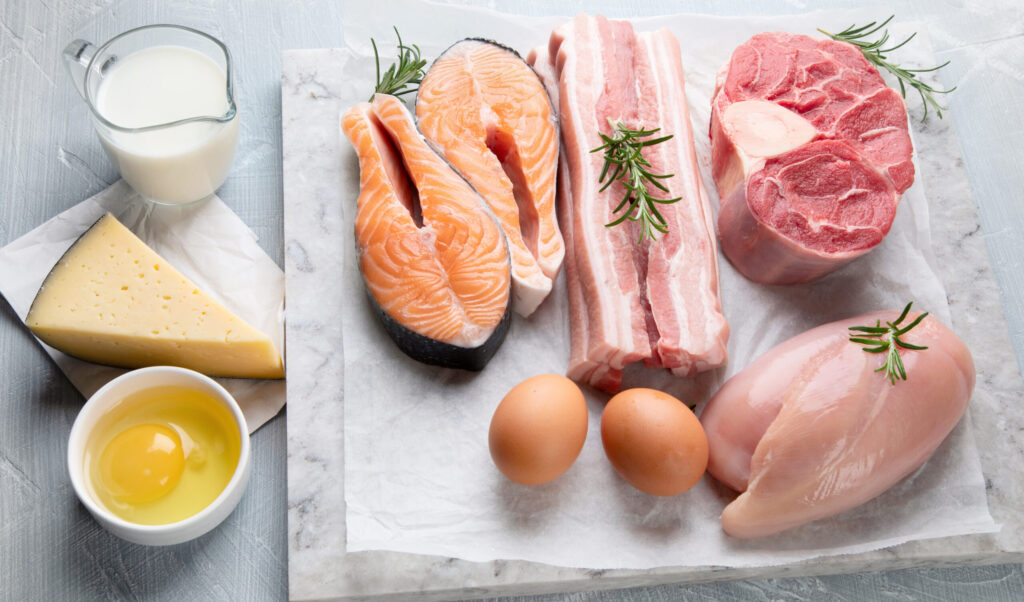
Brazil is one of the largest producers and exporters of animal protein in the world, with a significant presence in the global market for beef, chicken, and pork.
The country has a natural advantage in animal protein production due to its vast and diverse agricultural land, suitable climate, and abundant natural resources. Additionally, Brazil has been investing in the development of its livestock sector, adopting modern production techniques and strict sanitary standards to ensure the quality and safety of its animal products.
In terms of beef, Brazil is the largest exporter in the world, with a production that exceeds 10 million tons annually. The country’s beef industry is known for its high-quality grass-fed cattle, which are raised on large pastures and free-range systems. Brazilian beef is also recognized for its traceability and sustainability practices, which are essential for meeting the growing demand for environmentally and socially responsible products.
Brazil is also a major exporter of chicken, with a production that reaches almost 14 million tons per year. The Brazilian chicken industry has a competitive advantage due to its low production costs and high levels of efficiency, which allow it to offer high-quality products at competitive prices. Brazilian chicken is exported to more than 150 countries and is recognized for its safety, hygiene, and flavor.
In terms of pork, Brazil is the fourth-largest producer in the world, with a production of over 4 million tons annually. The Brazilian pork industry is also known for its modern production techniques, strict sanitary standards, and high-quality products. Brazilian pork is exported to more than 100 countries, with its main markets being Russia, Hong Kong, and China.
In conclusion, Brazilian animal protein plays a significant role in the global market, with its high-quality products and competitive prices. The country’s livestock sector has been growing steadily, driven by its natural advantages, modern production techniques, and commitment to sustainability and quality.
Soybean
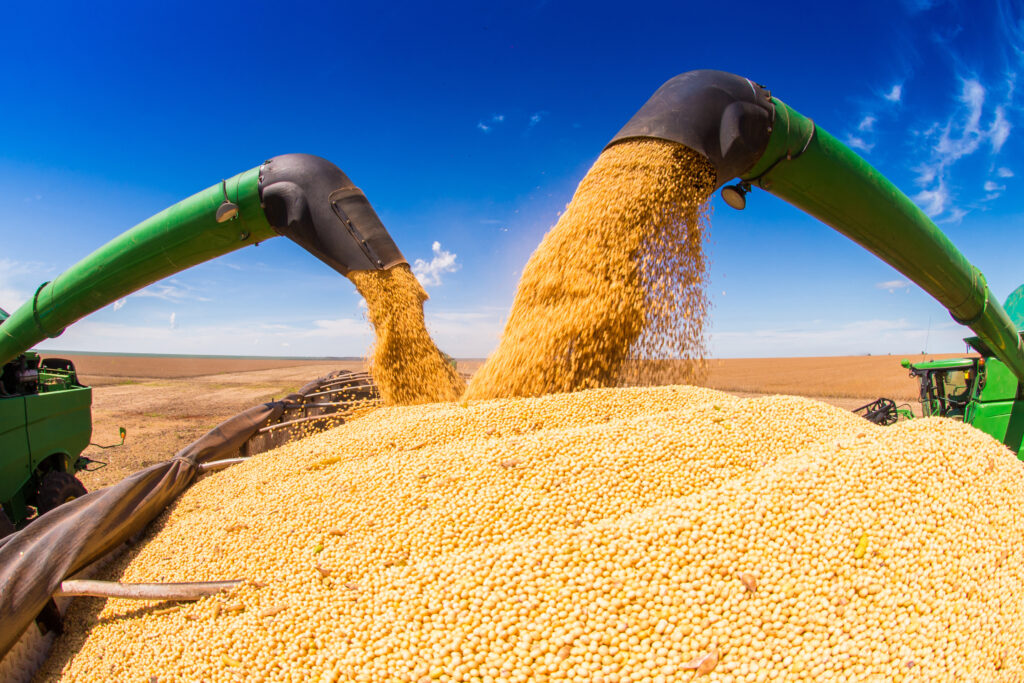
Soybeans are one of the most widely grown crops in the world, and in recent years, there has been a lot of discussion about genetically modified (GMO) and non-GMO soybeans. GMO soybeans have been genetically altered to produce certain traits, such as resistance to pests or herbicides. While this can be beneficial for farmers in terms of crop yield and efficiency, there are concerns about the potential health and environmental impacts of GMOs.
Non-GMO soybeans, on the other hand, are not genetically modified and are grown using traditional farming practices. They are often marketed as being more natural and healthier than GMO soybeans, but their yield may be lower, and they may be more vulnerable to pests and diseases.
Both GMO and non-GMO soybeans have their advantages and disadvantages, and the choice of which to grow depends on a variety of factors, including the specific needs of the farmer and the market demand for each type. Ultimately, it’s up to consumers to decide which type of soybeans they prefer, and many food manufacturers are now offering both GMO and non-GMO options to meet this demand.
Sugar Cane - ICUMSA 45
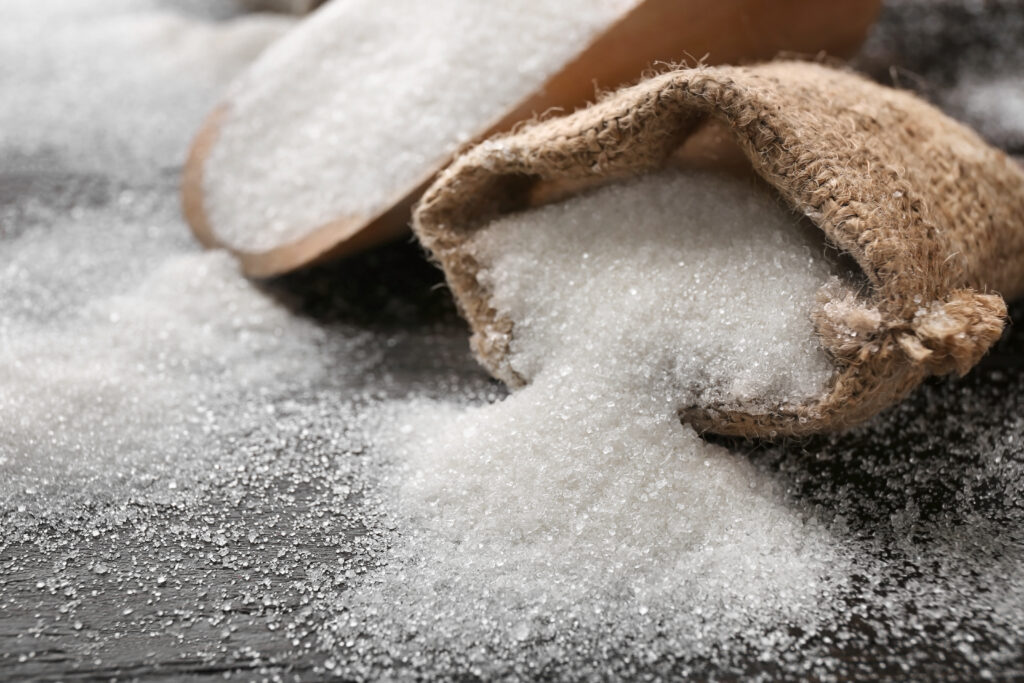
Sugar cane Icumsa 45 is a highly sought-after grade of sugar due to its high quality and purity. It is made from sugar cane that has been processed and refined to remove impurities and achieve a consistent white color. The name “Icumsa” stands for International Commission for Uniform Methods of Sugar Analysis, which is an organization that sets standards for the quality of sugar.
Icumsa 45 sugar cane is often used in the food and beverage industry for its sweet taste and ability to blend easily with other ingredients. It is also commonly used in the production of confectionery, baked goods, and beverages such as soft drinks and energy drinks.
The production of Icumsa 45 sugar cane is a complex process that involves multiple stages, including harvesting, extraction, clarification, evaporation, crystallization, and drying. It requires skilled workers and modern equipment to ensure a consistent product that meets the strict quality standards set by the industry.
Brazil is one of the largest producers and exporters of sugar cane Icumsa 45 in the world, and the country’s tropical climate and fertile soil make it an ideal location for growing sugar cane. The sugar cane industry is an important part of the Brazilian economy, providing jobs and revenue for many communities.
Yellow Corn
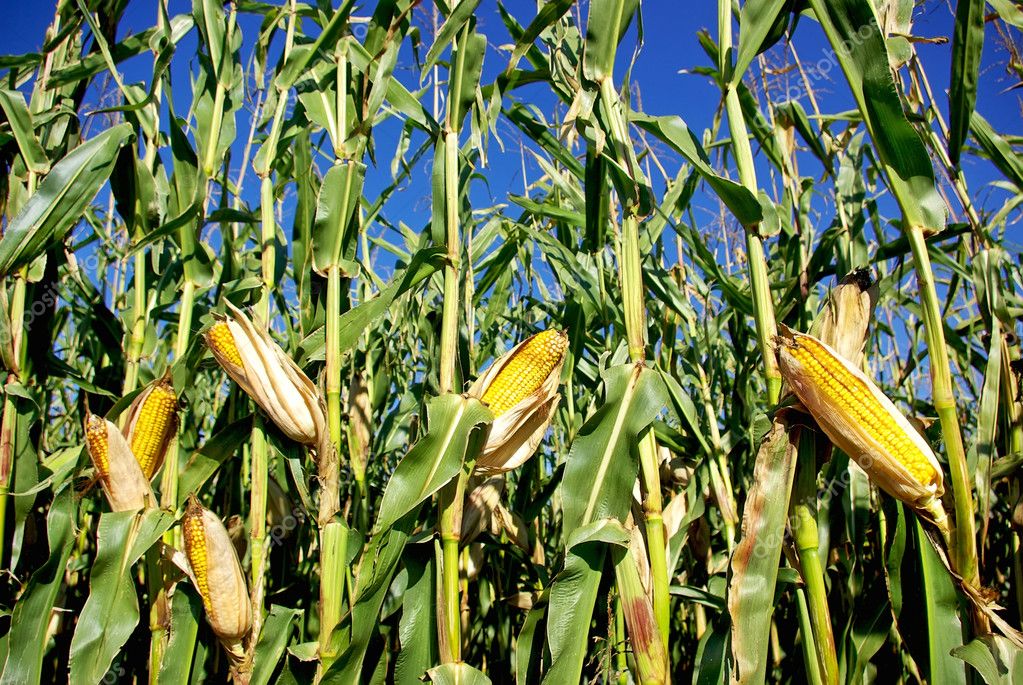
Brazilian yellow corn is a staple crop in the country and an important source of food and feed for both domestic and international markets. Yellow corn refers to a type of corn that has a yellow coloration, which is caused by the presence of carotenoids in the kernels.
Brazil is one of the largest producers and exporters of yellow corn in the world, with the majority of the crop grown in the southern region of the country. Yellow corn is used for a variety of purposes, including animal feed, human consumption, and the production of ethanol.
Animal feed is the primary use for yellow corn in Brazil, with the majority of the crop being used to feed livestock, such as poultry, swine, and cattle. Brazil’s growing meat industry relies heavily on yellow corn as a feed source, making it a critical component of the country’s agricultural sector.
Yellow corn is also used in the production of human food products, such as cornmeal, corn flour, and cornstarch. It can be used in a variety of recipes, including bread, tortillas, and other baked goods. Additionally, yellow corn is used in the production of ethanol, a biofuel that is becoming increasingly popular due to its renewable nature and potential for reducing greenhouse gas emissions.
Overall, Brazilian yellow corn is an important agricultural commodity that plays a vital role in the country’s economy and food system. Its versatility and widespread use make it an essential crop for both domestic and international markets.
What are you looking for ?